Top 10 Future Automotive Technologies That Will Change Driving in 2026
The automotive industry is entering one of the most exciting eras in its history. Rapid advancements in technology—especially artificial intelligence, electrification, software systems, and connectivity—are reshaping the way vehicles are designed, built, and driven. By 2026, many of these innovations will move from concept stages to widespread use, transforming the everyday driving experience for millions of people around the world.
From autonomous driving to ultra-fast EV charging, automotive technology is evolving faster than ever. In this article, we will explore the top 10 future automotive technologies expected to change driving in 2026 and how they will impact safety, sustainability, convenience, and performance.
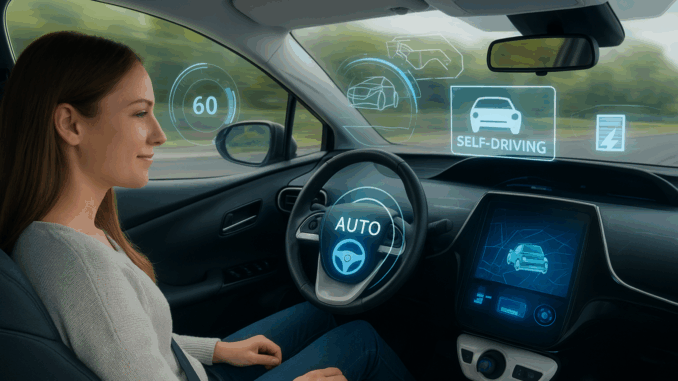
1. Level 3 and Level 4 Autonomous Driving Systems
Self-driving technology has been developing for years, but by 2026, it is expected to reach a major milestone. Many automakers are planning to launch Level 3 and limited Level 4 autonomous vehicles, enabling cars to drive themselves under certain conditions without driver input.
What Will Change?
- Drivers will be able to remove their hands from the steering wheel during approved conditions such as highway cruising.
- Vehicles will use advanced sensors, cameras, LiDAR, radar, and AI to detect obstacles, read road markings, and make split-second decisions.
- Traffic efficiency and safety are expected to improve as cars communicate with their surroundings.
This technology aims to reduce accidents caused by human error, which currently accounts for most traffic collisions worldwide.
2. Solid-State Batteries for Electric Vehicles
Battery technology is one of the biggest challenges in the EV industry. Traditional lithium-ion batteries take longer to charge, degrade faster, and limit driving range. In contrast, solid-state batteries are expected to become commercially available in 2026, bringing major improvements.
Benefits Expected in 2026
- Faster charging—potentially under 10 minutes.
- Longer driving range, possibly 50% more than current EVs.
- Safer battery chemistry with lower fire risk.
- Longer lifespan, reducing replacement costs.
These advancements will help accelerate the global shift from gasoline to electric vehicles and make EVs more practical and affordable for everyday users.
3. Vehicle-to-Everything (V2X) Communication
One of the most innovative technologies arriving in 2026 is V2X communication, which allows cars to communicate with traffic systems and other vehicles in real time.
How It Will Change Driving
- Vehicles will receive alerts about road hazards, icy surfaces, or accidents ahead.
- Smart traffic lights will coordinate with cars to reduce congestion.
- Emergency vehicles will be able to communicate with traffic to clear paths automatically.
- Cars will exchange speed and location data to prevent collisions.
As smart cities develop, this technology will make transportation safer, faster, and more energy-efficient.
4. Augmented Reality Windshields and Head-Up Displays
Navigation is evolving beyond dashboard screens. By 2026, many cars will feature augmented reality heads-up displays (AR HUDs) that project directions, road warnings, and vehicle status directly onto the windshield.
What Drivers Will Experience
- Real-time directions displayed on the road view.
- Highlighted lanes for exits and turns.
- Alerts for pedestrians, cyclists, and blind-spot activity.
- Customizable driving data such as speed, battery life, and traffic conditions.
This technology helps reduce distraction because drivers will no longer need to look away at dashboard screens.
5. Advanced Driver Monitoring Systems (DMS)
To improve road safety, 2026 vehicles will include AI-powered interior monitoring systems that track driver alertness, body position, and eye movement.
Why It Matters
- Reduces accidents caused by fatigue or mobile phone usage.
- Can detect medical emergencies, such as fainting or low-oxygen levels.
- Automatically slows the vehicle or safely stops it if the driver becomes unresponsive.
These systems could dramatically reduce accident rates and protect not only drivers but also passengers and infrastructure.
6. Wireless EV Charging and Charging-While-Driving Lanes
While EV charging stations are expanding, the next step is wireless charging, and some cities are already testing it. By 2026, many new EV models and public parking spaces will support inductive charging pads.
What Will Improve
- EVs will charge automatically when parked—no cables needed.
- Some highways are testing lanes that charge EVs while moving.
- Reduced need for massive charging station infrastructure.
This technology could remove one of the biggest concerns for new EV buyers: running out of battery.
7. AI-Powered Predictive Maintenance
Future vehicles will use artificial intelligence to continuously monitor mechanical and software components, predicting failures before they happen.
Benefits for Drivers
- Alerts before engine, brake, or tire issues occur.
- Lower repair costs and fewer breakdowns.
- Real-time maintenance scheduling through apps.
Cars will become smarter and more reliable as diagnostics evolve into automated preventive action.
8. Connected In-Car Digital Ecosystems
By 2026, infotainment systems will function more like smartphones, giving drivers access to fully integrated digital experiences.
Expected Upgrades
- Faster cloud-based navigation and software.
- Built-in streaming, gaming, and video conferencing for parked vehicles.
- Personalized driver profiles stored in the cloud.
- Voice assistant systems powered by AI.
Automakers are partnering with tech companies, transforming cars into mobile smart devices.
9. Biometric Vehicle Access and Personalization
Keys and key-fobs will soon become unnecessary. Cars are beginning to use facial recognition, fingerprint scanning, and smartphone authentication to unlock and start the engine.
Advantages
- Higher security and reduced theft.
- Automatic seat, climate, and audio adjustments based on the driver.
- Shared vehicles become easier to manage without physical keys.
This technology supports modern mobility systems such as car-sharing and rental platforms.
10. Sustainable Manufacturing and Recycled Materials
Environmental responsibility is driving innovation in how vehicles are built. By 2026, many manufacturers will integrate eco-friendly materials, recycled plastics, sustainable fabrics, and carbon-neutral production processes.
Impact on the Industry
- Lower carbon emissions in manufacturing.
- Reduced waste through recyclable battery components.
- More lightweight vehicle structures that improve efficiency.
Consumers increasingly prefer brands committed to sustainability, meaning this technology is both practical and market-driven.
Conclusion
The future of transportation is arriving faster than expected, and 2026 will be a turning point for automotive technology. These innovations—autonomous driving, improved electric batteries, AR displays, V2X communication, wireless charging, and sustainable materials—will transform driving into a safer, cleaner, and more connected experience.
The shift will not only reshape vehicles but also change how cities operate, how people travel, and how industries grow. Whether you are a car enthusiast, a technology lover, or a future buyer, the upcoming generation of automotive technology promises exciting change.