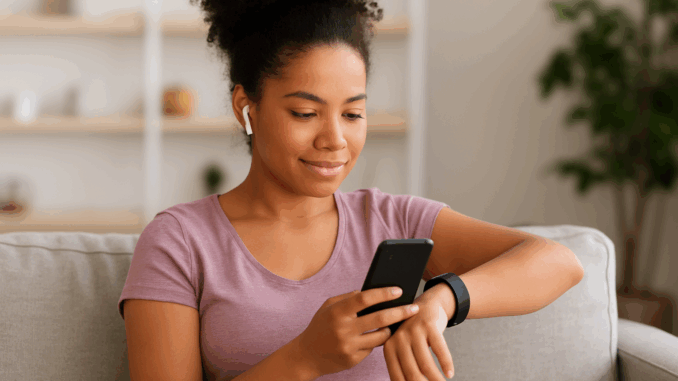
The New Era of Wellness: How Technology and Lifestyle Changes Are Transforming Health
The world of health and wellness is evolving faster than ever before. As we enter a new era shaped by innovative technologies, shifting lifestyles, and a growing awareness of mental and physical well-being, people everywhere are redefining what it means to live a healthy life. The year 2025 represents a turning point: wellness is no longer a luxury or a trend—it has become a daily necessity, supported by smarter tools and more informed lifestyle choices.
From wearable devices that track our heart rate to apps that guide mental well-being, and from personalized nutrition to hybrid fitness routines, the wellness landscape has expanded into a powerful global movement. This article explores how technology and lifestyle changes are transforming health and helping individuals build stronger, happier, and more balanced lives.
1. Wellness in 2025: A Shift Toward Preventive, Personalized Health
For decades, people focused on treating illnesses after they occurred. Today, however, the focus has shifted toward prevention, early detection, and personalized care. This shift is driven mainly by improved technology and increased access to information.
Personalized Wellness Plans
Thanks to advanced data analytics, AI-powered apps, and wearable devices, individuals can now track:
- Sleep quality
- Heart rate variability
- Stress levels
- Calorie intake
- Exercise performance
- Hormonal changes (women’s health apps)
With this data, people can create personalized wellness routines instead of one-size-fits-all plans. A customized approach helps them understand the unique needs of their body and make more meaningful changes.
Rise of Preventive Care
Technology allows early detection of potential health issues. Wearables can alert users if their heart rhythm becomes irregular, sleep apps identify patterns that lead to fatigue, and nutrition apps can highlight deficiencies. This proactive approach reduces the risk of long-term health problems.
2. Wearable Technology: Your Personal Health Assistant
Wearable devices have become central in modern wellness. In 2025, smartwatches, fitness trackers, and health sensors are more accurate, advanced, and affordable than ever before.
What Modern Wearables Can Do
Today’s wearables can:
- Measure blood oxygen levels
- Track stress through skin temperature and heart rate variability
- Monitor menstrual cycles with AI
- Analyze sleep stages and quality
- Suggest recovery times after workouts
- Detect irregular heartbeats
These tools are no longer just for athletes. People of all ages—teenagers, office workers, parents, and seniors—use them to understand their health better.
The Impact on Daily Life
Wearables encourage healthier decisions:
- Stand reminders reduce sitting time
- Step-tracking motivates daily movement
- Heart rate alerts encourage stress management
- Sleep data improves bedtime habits
As technology becomes more integrated, wearables will continue shaping the next generation of personal wellness.
3. Fitness Goes Digital: Hybrid Workouts and Virtual Coaching
Before 2020, most fitness routines involved gyms and physical classes. Today, digital fitness is a major force transforming how people exercise.
Hybrid Fitness Is the New Normal
In 2025, people combine home workouts with gym sessions for maximum flexibility. Online platforms offer:
- Virtual yoga, pilates, and HIIT classes
- Guided workout videos
- AI-driven training programs
- Real-time coaching through video calls
This hybrid model allows anyone to exercise at their own pace and convenience.
AI Fitness Trainers
AI-powered fitness apps have become incredibly advanced. These apps can:
- Analyze posture using a phone camera
- Adjust training intensity based on performance
- Offer personalized daily workout plans
- Track long-term progress and goals
This gives users access to a health coach 24/7—something that was impossible a decade ago.
Gamification of Exercise
Another major trend in 2025 is the gamification of fitness. Apps reward users with points, badges, and challenges that make exercise fun and engaging. People are more consistent when workouts feel like a game rather than a chore.
4. Nutrition Technology: Eating Smarter, Not Harder
Healthy eating is often confusing due to conflicting advice, but technology has made nutrition simpler and more personalized.
Smart Nutrition Apps
Nutrition apps in 2025 can:
- Analyze food photos to estimate calories
- Suggest balanced meals
- Track daily protein, vitamins, and minerals
- Provide personalized diet plans
- Identify foods that cause digestive issues
These tools help users make smarter food choices without complicated diet rules.
Personalized Nutrition Based on DNA
A growing trend is DNA-based nutrition. Companies analyze genetic samples to offer diet recommendations based on:
- Metabolism speed
- Food sensitivities
- Nutrient absorption
- Risk of diabetes or obesity
This personalized approach allows individuals to eat according to their biological needs.
The Rise of Clean Eating
Technology has also encouraged people to choose healthier meals. With access to ingredient scanners and food-quality apps, consumers are more aware of preservatives, additives, and sugar levels in their food. This shift toward clean eating helps reduce chronic diseases and improves energy levels.
5. Mental Wellness Tech: A Growing Priority
Mental health has become one of the most important aspects of wellness in 2025. Stress, anxiety, and digital overload have made people prioritize emotional balance.
Meditation and Mindfulness Apps
Apps for meditation, breathing exercises, and stress relief have grown enormously. They offer:
- Guided audio meditations
- Sleep stories
- Breathing programs
- Mood tracking
- Gratitude journaling
These tools help individuals calm their mind and develop emotional resilience.
AI Therapy and Virtual Counseling
Technology has made mental health support more accessible. Through virtual therapy sessions, people can talk to professionals from home. AI chatbots also provide emotional support for those unable to access therapy.
Digital Detox Movements
In 2025, people are more aware of screen fatigue. Many practice digital detox routines, such as:
- Screen-free weekends
- App time limits
- Social media breaks
- Gadget-free bedrooms
This reduces anxiety, improves focus, and supports mental clarity.
6. Healthy Lifestyle Shifts: Returning to Balance
The new era of wellness is not just about technology—it’s also about simple lifestyle changes inspired by modern challenges.
Minimalism and Stress Reduction
Many people are adopting minimalist lifestyles by:
- Decluttering homes
- Reducing unnecessary commitments
- Focusing on essential activities
This shift creates mental peace and reduces daily stress.
Holistic Wellness Routines
Wellness now incorporates the full human experience:
- Physical health
- Mental well-being
- Emotional balance
- Social connection
- Spiritual grounding
People are embracing yoga, journaling, nature walks, and healthier relationships to maintain overall balance.
The Sleep Revolution
People now understand how crucial sleep is. In 2025, many homes use:
- Smart sleep trackers
- Noise machines
- Blue-light blocking glasses
- Digital sunset settings on devices
Better sleep is a foundation of long-term wellness.
7. Smarter Homes and Health Automation
Technology is also transforming homes into wellness-supportive environments.
Smart Home Wellness Devices
Examples include:
- Air purifiers for clean breathing
- Smart lights that mimic natural day–night cycles
- Water-filtering systems
- Stress-reducing sound systems
Kitchen Technology
Smart kitchens promote healthier eating by offering:
- Nutrition scanners
- Automated meal planners
- AI grocery lists
- Smart ovens that guide cooking times
These tools make healthy living effortless.
8. Community and Social Wellness
In 2025, wellness is also becoming more social. People are focusing on supportive communities and shared experiences.
Wellness Communities
Online and offline groups now help people stay motivated through:
- Fitness challenges
- Healthy cooking groups
- Walking clubs
- Mindfulness circles
Workplace Wellness Programs
Businesses increasingly provide:
- Mental health days
- Flexible hours
- Meditation rooms
- On-site fitness options
Healthy employees create stronger, more productive organizations.
Conclusion: A Future Powered by Wellness and Innovation
The new era of wellness is a powerful blend of technology and lifestyle transformation. With advanced tools, personalized data, and a growing understanding of the mind-body connection, people in 2025 are creating healthier, more balanced lives.
Whether it’s smart wearables, AI fitness, clean eating, digital detox, or holistic routines, the goal remains the same: a happier, healthier life built on simple habits and smart choices.
This transformation is only beginning. As technology expands and wellness continues to evolve, the future of health looks more personalized, accessible, and empowering than ever.